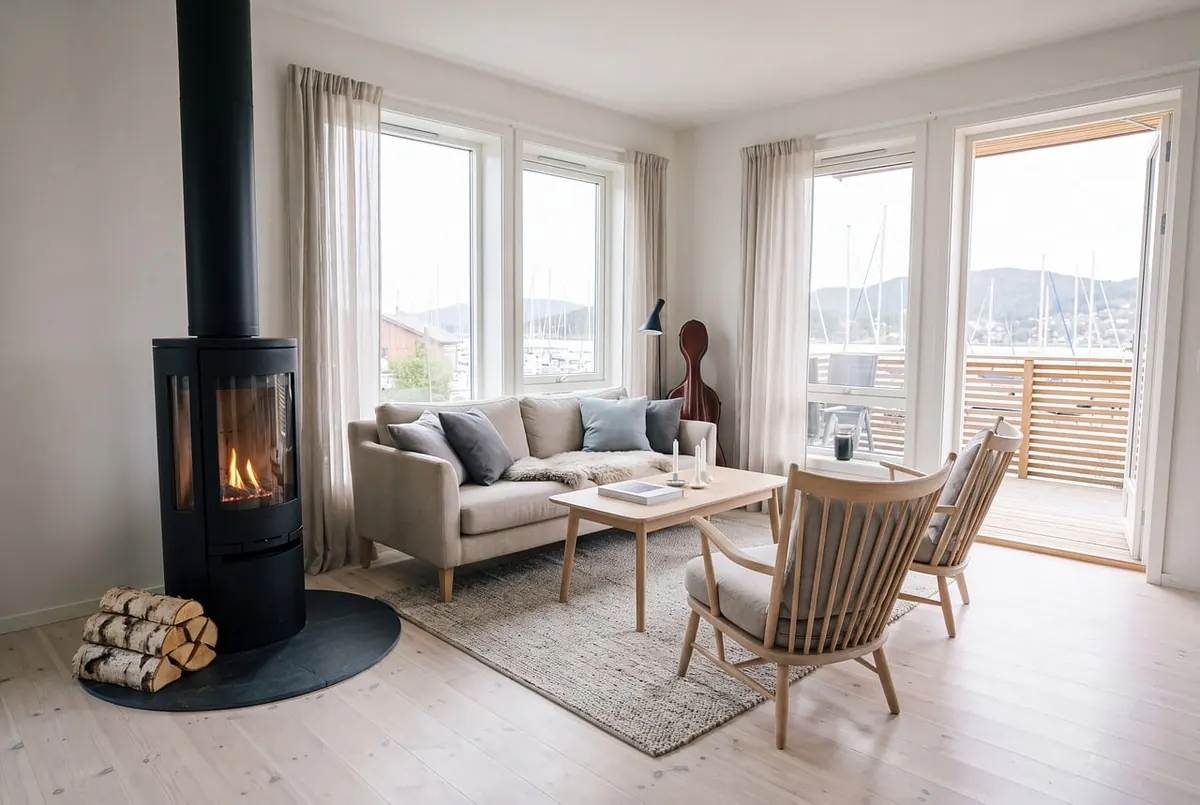
Open Fireplace vs Wood Burning Stove: Which Is Right for Your Home?
A crackling open fire is hard to beat for atmosphere. A wood burning stove is hard to beat for warmth. Most people weighing up the two are not really choosing between nostalgia and practicality. They are trying to work out which one they will still be pleased with in February, when the wind is up and the central heating is off. The honest answer depends on your chimney, your budget, how often you light it, and whether you want a focal point or a heat source. Here is how the two compare on the things that actually matter.
Heat Output: Where the Two Really Diverge
An open fire works by radiant heat. You feel it on your face and your knees, and very little of it reaches the far end of the room. It also pulls a huge volume of warm room air up the chimney, which is why the rest of the house can feel draughtier once the fire is lit. That appetite for air is what makes an open fire so good at drawing smoke, and also what stops it heating much beyond the hearth.
A stove is a closed box with controlled air. It radiates from the sides and top, and many modern models add convection panels that push warm air out into the room. The upshot is a gentler, more even heat that can comfortably reach across a decent-sized living room and often into the hall or kitchen beyond if the doors are open. Many stoves will also hold heat for a few hours after the last log, which an open fire simply cannot do.
Sizing matters more than most people expect. A stove that is too large for the room is a common and expensive mistake: you end up running it starved of air to keep the heat bearable, the glass blackens, and the flue gathers tar. An installer will work out the right output from room volume, insulation and window area, so do not pick a model off a showroom label alone.
Efficiency, Fuel and Smoke
This is the least sentimental part of the comparison. An open fire sends the bulk of the heat it produces straight up the chimney, and with it the warm air it has dragged out of your rooms. You are paying for logs that largely warm the sky.
A stove burns hotter and more completely. Better designs use secondary combustion to burn the gases that would otherwise leave as smoke, which means more heat from each log and noticeably less smoke from the chimney. In practice you will use fewer logs for the same warmth and refuel less often.
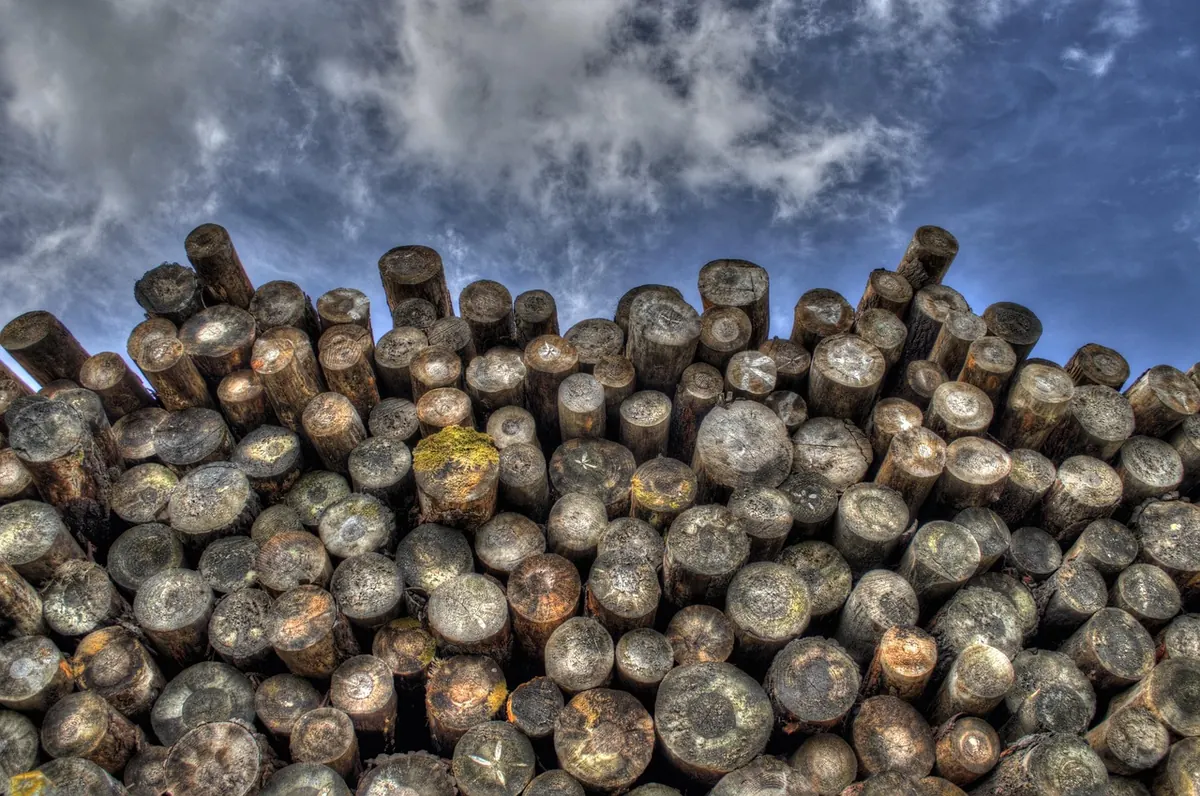
Both depend on dry wood. Seasoned logs, or kiln-dried ones, burn cleanly and give off far more heat than green wood, which wastes energy boiling off its own moisture and coats the flue with tar. A basic moisture meter costs very little and takes the guesswork out of it. If you are in a smoke control area, check the rules before you buy anything. You will generally need to burn authorised smokeless fuels or use an exempt appliance, and burning the wrong thing can land you with a penalty from your local council.
Installation Costs and What Drives Them
If you already have a working open fire, the cheapest route is usually to keep it. A sweep, a few repairs to the grate or fireback, and you are away. Fitting a stove costs more, because it almost always involves work inside the chimney as well as in the room.
The main cost drivers are worth understanding before you get quotes:
- The chimney. An unlined or leaking flue normally needs a stainless liner, and that is often the single biggest line on the quote.
- No chimney at all. A twin-wall insulated flue run through a wall or roof is perfectly possible, but it adds labour and materials.
- The hearth. Stoves need a suitably sized, non-combustible hearth, and many older fireplaces do not have one.
- Ventilation. A sealed, modern room may need a permanent air vent to feed the stove.
- The building. Listed buildings and conservation areas bring extra permissions, and flats or rented homes bring landlord and leasehold considerations.
Use a HETAS registered installer, or someone equally competent, and make sure the work is notified to building control. You want the compliance certificate when the job is done. It matters at resale, and your insurer may ask about it too. Get at least two or three quotes and have the chimney swept and inspected first, so you know what you are dealing with before anyone starts pricing.
Maintenance and Everyday Use
An open fire is fuss-free in one sense and messy in another. You sweep the chimney once a year, clear ash regularly, and accept that relighting on a cold morning can smoke the room until the flue warms through. Sparks, soot and the smell of a downdraught are part of the deal.
A stove asks a little more of you each time you use it, and rather less of your room. You empty the ash pan, wipe the glass, and check the door rope, firebricks and baffle plate once a season. The annual sweep still applies, and if you burn a lot of wood you may want it done twice. Seal and rope replacements are cheap and easy, but ignoring them costs you control of the burn.
Which One Suits Your Home?
Keep the open fire if…
- You light it a handful of evenings a year for atmosphere rather than heat.
- The fireplace is an original feature you do not want to alter.
- Your budget is tight and the chimney is in sound condition.
- You are happy for it to heat one room, at the hearth, and no further.
Choose a stove if…
- You want the fire to do real work alongside your central heating.
- You will use it most days through the winter.
- You want longer burns, less smoke and less fuel for the same comfort.
- You do not mind changing the look of the opening.
Or a stove inside the existing opening
This is the middle path most people take, and it usually works well. A freestanding or inset stove sits in the old fireplace recess with a liner above it, keeping the surround and the character of the room while transforming the heat. Check the depth of the recess, the size of the opening and the clearances to any combustible material before you fall for a particular model.
A Practical Way to Decide
- Have the chimney swept and inspected, so you know whether it needs lining.
- Measure the room and be honest about how often you will light the fire.
- Decide what you want from it: ambience, heat, or a bit of both.
- Ask a registered installer what is realistic for your chimney, home and area.
- Check smoke control area rules, insurance and any permissions before ordering.
Work involving flues, liners and ventilation is not a job for guesswork, so take proper advice on your specific property rather than relying on a forum thread or a neighbour's setup. Beyond that, the rule that governs both options is the same: dry wood and a clean flue will do more for how well your fire performs than any badge on the door.
Photo: FernandoZ / Pixabay
You Might Also Like
Burning the wrong fuel in a smoke control area can mean a fine of up to £1,000. Here's how to check the rules and heat your home legally.
A practical, room-by-room fire safety checklist for homes with open fires and log burners, covering alarms, hearth guards, extinguishers, chimney care and safe ash disposal.